
The concept of the circular economy has become increasingly important as people search for practical ways to reduce waste and make better use of existing resources. Unlike the traditional system of buying, using, and discarding products, the circular economy focuses on extending the life cycle of usable goods whenever possible. One area where this idea is gaining attention is the resale of unused diabetic supplies, particularly test strips.
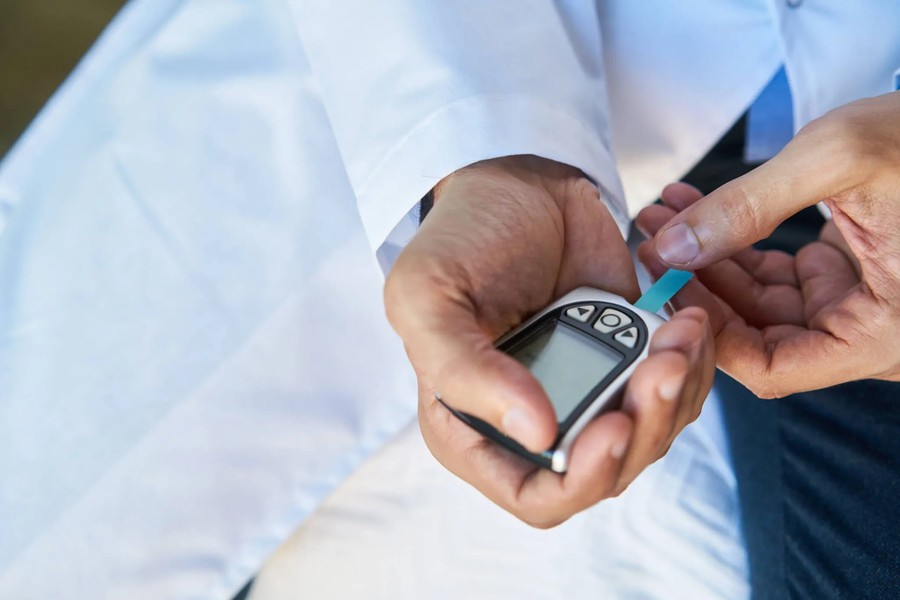
Many households end up with extra diabetic test strips due to prescription changes, insurance adjustments, switching brands, or changes in treatment plans. Instead of allowing these unopened supplies to expire and become waste, many people now choose to resell them through trusted buyers. This approach not only helps reduce unnecessary disposal but also creates value for individuals who no longer need the supplies.
Reducing Medical Supply Waste
Millions of medical products are discarded every year despite remaining sealed and usable. Diabetic test strips are among the most commonly wasted supplies because patients often receive them in bulk quantities. In many cases, the strips remain unopened but are no longer required.
Selling these unused products helps reduce waste by allowing them to reach people who can still benefit from them. Rather than ending up in landfills, the supplies continue serving a useful purpose. This aligns closely with circular economy principles, where products are reused instead of being discarded prematurely.
The resale process encourages more responsible consumption by ensuring that usable resources remain in circulation for as long as possible.
Supporting More Affordable Access
Another important aspect of the circular economy is improving accessibility through redistribution. Some individuals struggle to afford diabetic testing supplies, especially when purchasing them at full retail cost. Reselling unused test strips creates an alternative supply channel that may help buyers access more affordable products.
This creates a system where both parties benefit. Sellers recover value from supplies they no longer need, while buyers gain access to lower-cost testing products. The process supports more efficient resource allocation across communities.
Companies such as More Cash For Test Strips have contributed to this growing market by helping connect sellers with buyers through streamlined resale services.
Encouraging Responsible Consumer Habits
The rise of resale platforms reflects changing consumer behavior. More people are becoming aware of the environmental impact associated with waste and overconsumption. Instead of automatically discarding unused items, consumers are increasingly exploring ways to extend product usefulness.
This mindset shift is central to the circular economy. People are beginning to recognize that products still hold value even if they are no longer personally needed. Diabetic test strips provide a practical example of how everyday medical supplies can be redirected back into active use.
By participating in resale programs, individuals support more sustainable habits while reducing unnecessary waste generation.
Extending Product Lifecycles
One of the key goals of a circular economy is maximizing the lifespan of manufactured products. Every diabetic test strip requires raw materials, packaging, transportation, and energy during production. Throwing away unused supplies wastes not only the product itself but also the resources involved in manufacturing it.
When unopened test strips are resold before expiration dates, their lifecycle is effectively extended. This helps reduce demand for unnecessary replacement production and encourages more efficient use of existing inventory.
Even small actions like reselling extra supplies can contribute to broader sustainability efforts over time.
Creating Economic Value From Unused Supplies
The circular economy also focuses on recovering economic value from products that might otherwise be wasted. Unused diabetic test strips often represent significant financial value for households. Instead of absorbing the loss, sellers can recover a portion of the original cost through resale programs.
This additional income can help offset medical expenses or household costs while simultaneously preventing waste. The ability to create value from unused items demonstrates how circular systems benefit both the economy and the environment.
As awareness continues growing, more people are beginning to view unused supplies not as trash but as reusable assets.
Conclusion
Selling unused diabetic test strips represents a practical example of the circular economy in action. It reduces waste, extends product lifecycles, supports affordability, and encourages more sustainable consumer behavior. Rather than allowing unopened supplies to expire unused, resale programs help keep valuable medical products in circulation.
As environmental awareness and resource efficiency become more important globally, the resale of unused medical supplies will likely continue expanding. By participating in these systems responsibly, individuals contribute to a more sustainable and economically efficient future.