
Staying active is important for maintaining physical health, confidence, and independence at every stage of life. Whether someone enjoys sports, daily walks, gardening, or simply completing everyday tasks without discomfort, healthy joints and muscles play a major role in supporting movement. When pain, stiffness, or injuries begin to interfere with mobility, many people turn to orthopedic doctors for professional guidance and treatment.
Orthopedic specialists focus on diagnosing, treating, and managing conditions that affect bones, joints, muscles, ligaments, and tendons. Their work helps patients recover from injuries, manage chronic pain, and regain the ability to move comfortably and safely.
Supporting Mobility Through Early Diagnosis
One of the most important ways orthopedic specialists help patients stay active is through early diagnosis. Many mobility problems develop gradually over time. Small symptoms such as occasional knee pain, shoulder stiffness, or joint swelling may seem minor at first, but can eventually interfere with daily activities if left untreated.
Orthopedic evaluations allow patients to identify the source of discomfort before the condition becomes more serious. Through physical examinations, imaging studies, and movement assessments, doctors can determine the underlying cause of pain and recommend the most suitable treatment plan.
Early care often prevents additional damage and helps patients maintain independence for longer periods of time.
Helping Patients Recover From Injuries
Injuries can affect people of all ages and activity levels. Sports accidents, workplace incidents, falls, and repetitive movements can all place stress on the body. Recovery from these injuries often requires specialized treatment to restore strength and movement safely.
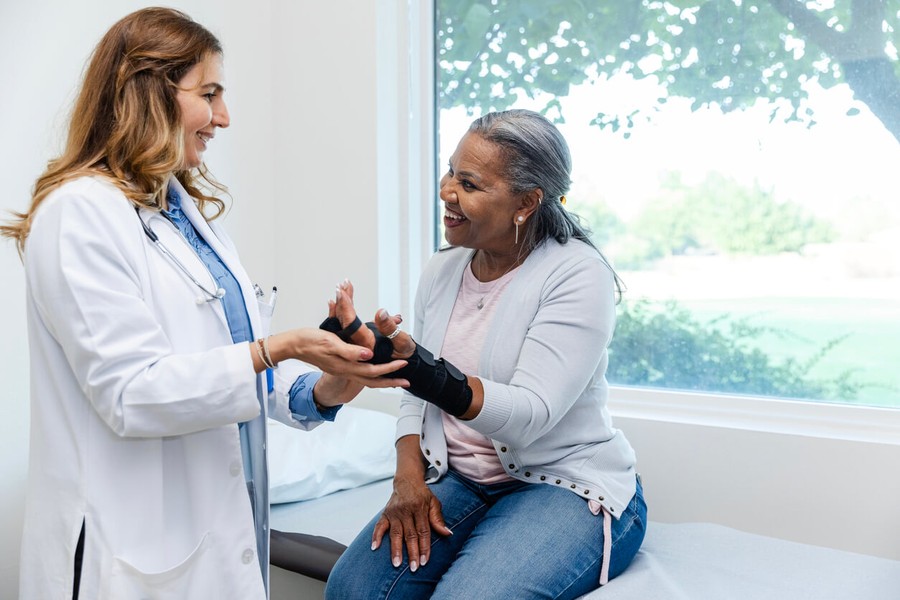
Orthopedic doctors play an important role in guiding patients through the recovery process. Depending on the severity of the injury, treatment may include physical therapy, medication, supportive braces, minimally invasive procedures, or surgery.
The goal is not only to heal the injury but also to help patients regain confidence in their movements. Proper rehabilitation supports flexibility, balance, and stability, which are essential for returning to normal routines.
Managing Joint Pain and Arthritis
Joint pain is one of the most common reasons people seek orthopedic care. Conditions such as arthritis can make walking, climbing stairs, and performing household tasks increasingly difficult over time.
Orthopedic specialists help patients manage these challenges through personalized treatment strategies. These may include exercise recommendations, lifestyle adjustments, joint injections, or advanced surgical procedures when necessary.
By reducing pain and improving joint function, patients are often able to continue participating in activities they enjoy. Maintaining movement is important because physical activity supports overall health, circulation, and emotional well-being.
Encouraging Active Aging
As people age, maintaining independence becomes an important priority. Reduced mobility can limit social interaction and affect confidence in daily life. Orthopedic care helps older adults remain active by addressing common age-related conditions such as joint degeneration, osteoporosis, and reduced muscle strength.
Modern orthopedic treatments are designed to improve mobility while minimizing recovery times. Many patients benefit from procedures that allow them to return to walking, exercising, and other regular activities more comfortably.
In addition to treatment, orthopedic specialists often provide guidance on injury prevention, safe exercise habits, and joint protection techniques that support long-term mobility.
Improving Quality of Life Through Personalized Care
Every patient experiences movement challenges differently. Some people may struggle with chronic knee pain, while others may be recovering from a sports injury or surgery. Personalized care allows orthopedic professionals to create treatment plans that match individual goals and lifestyles.
For example, an athlete may focus on returning to competitive performance, while another patient may simply want to walk comfortably or continue caring for family members independently. Tailored treatment plans help patients progress at a pace that suits their needs.
This patient-centered approach allows people to remain engaged in daily life while building strength and confidence over time.
Advancements in Modern Orthopedic Treatment
Technology has significantly improved the field of orthopedic medicine. Advanced imaging systems, minimally invasive surgical techniques, and improved rehabilitation programs have made treatment more effective and recovery more manageable for many patients.
These advancements allow orthopedic specialists to treat a wide range of conditions with greater precision. Patients often experience reduced discomfort, shorter recovery periods, and improved long-term outcomes compared to older treatment methods.
Modern orthopedic care continues to evolve with a strong focus on restoring movement and helping individuals maintain active lifestyles.
Conclusion
Maintaining mobility is essential for living independently and enjoying everyday life. From injury recovery to long-term joint care, orthopedic doctors provide valuable support that helps patients move with greater comfort and confidence. Through early diagnosis, personalized treatment, and modern medical advancements, orthopedic specialists continue helping people remain active, healthy, and independent for years to come.