
Height surgery has changed considerably as orthopedic techniques and medical devices have advanced. Procedures that once depended heavily on external frames can now, in selected cases, use internal lengthening systems designed to gradually increase bone length while the healing process takes place. This technology has become an important part of modern limb lengthening and has influenced everything from surgical planning to rehabilitation.
Understanding how internal lengthening technology works can help prospective patients have more informed conversations with qualified orthopedic surgeons about the procedure, its demands, and its potential risks.
Understanding The Principle Behind Height Surgery
Height surgery is based on a biological process known as distraction osteogenesis. During the procedure, a surgeon carefully divides a bone, typically in the femur or tibia depending on the treatment plan. The separated bone segments are then gradually moved apart over time.
The body responds by producing new bone tissue within the developing space. Instead of attempting to create the desired increase in length during a single operation, the process occurs gradually so that bone and surrounding tissues have time to adapt.
The treatment does not end with surgery. Lengthening is followed by a consolidation period during which newly formed bone continues to strengthen. Regular medical monitoring and rehabilitation are therefore important components of the overall process.
Moving From External Frames To Internal Systems
Historically, limb lengthening commonly involved external fixation devices positioned outside the body and connected to the bone through wires or pins. External fixation remains useful for certain orthopedic situations, but advances in medical engineering have expanded the availability of internal alternatives.
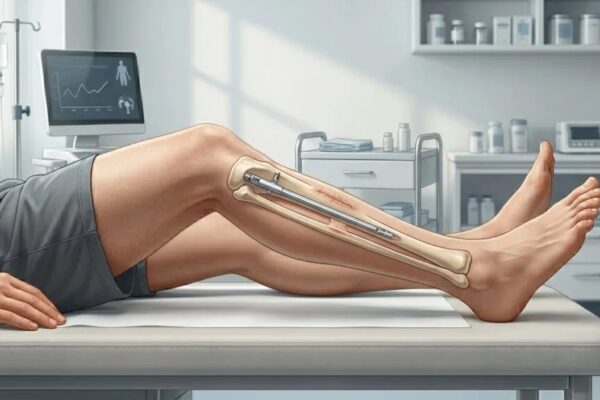
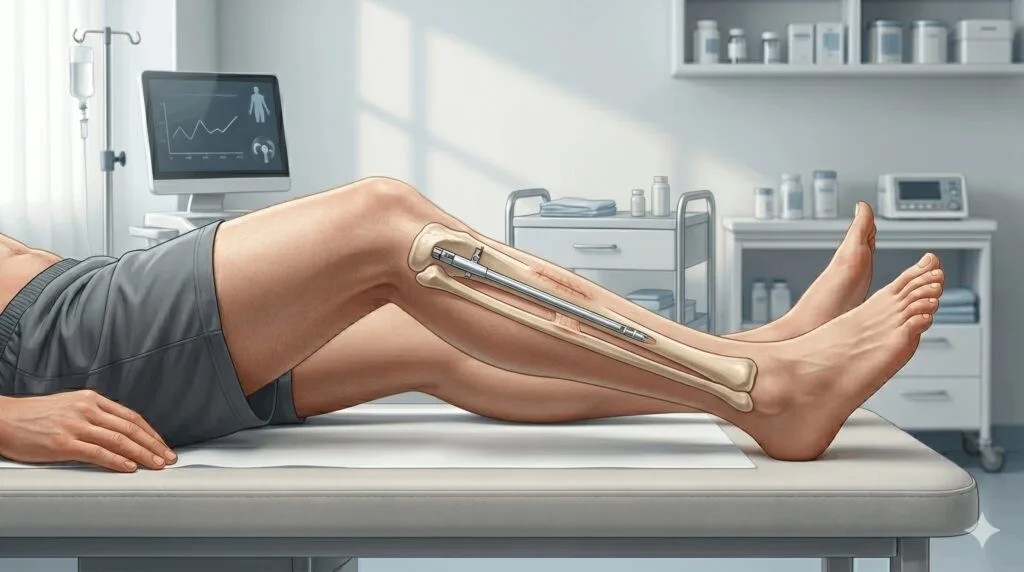
Modern internal systems generally use an implantable lengthening nail placed inside the bone. Because much of the mechanical system is contained within the limb, patients do not have a large external frame surrounding the leg during the lengthening period.
This represents an important technological development, but it does not make the procedure simple. Internal lengthening still involves major orthopedic surgery followed by a demanding recovery process.
How Internal Lengthening Technology Works?
An internal lengthening nail is surgically positioned within the medullary canal, the central cavity running through a long bone. Depending on the particular device, controlled mechanisms allow the nail to gradually extend after surgery.
The lengthening process is carefully planned rather than performed all at once. Patients typically follow a prescribed schedule under medical supervision. Imaging and follow-up examinations allow the surgical team to evaluate bone formation, alignment, implant position, and overall progress.
This controlled approach is particularly important because the surrounding muscles, nerves, blood vessels, tendons, and other soft tissues must accommodate the changing length of the limb.
Greater Control During The Lengthening Process
One of the important goals of internal lengthening technology is precise control. Surgeons can establish a treatment plan based on the patient’s anatomy, desired correction, bone quality, and other clinical considerations.
Gradual adjustments allow the medical team to observe how the body responds throughout treatment. If concerns develop regarding bone formation, joint movement, nerve symptoms, or soft tissue flexibility, the treatment plan may need to be modified.
Technology therefore works alongside ongoing clinical assessment rather than replacing it. Successful treatment depends on careful surgical technique, appropriate patient selection, monitoring, and patient participation throughout recovery.
Rehabilitation Remains Essential
Internal technology may change the equipment used for height surgery, but it does not eliminate the need for rehabilitation. As bones gradually lengthen, muscles and other soft tissues are placed under increasing tension. Maintaining flexibility and joint mobility can consequently become a significant part of recovery.
Physical therapy may include stretching, mobility exercises, strengthening activities, and other movements selected according to the patient’s stage of recovery. Weight-bearing restrictions can also vary according to the implant, surgical approach, bone healing, and instructions from the treating surgeon.
Following rehabilitation instructions closely is important because attempting to progress faster than medically recommended can introduce additional risks.
Monitoring Bone Formation And Healing
Medical imaging plays an important role throughout internal limb lengthening. Surgeons use follow-up imaging to assess the new bone developing between the separated segments and determine whether healing is progressing appropriately.
Once the planned lengthening has been completed, the consolidation stage begins. During this phase, the regenerated bone gradually becomes stronger and more mature. Although active lengthening has stopped, recovery continues.
The overall timeline can vary considerably between patients. Age, general health, bone quality, the amount of lengthening, rehabilitation progress, and individual healing responses can all influence the process.
A More Technology-Driven Approach To Limb Lengthening
Internal lengthening technology demonstrates how engineering and orthopedic medicine can work together to provide greater control over gradual bone lengthening. Implantable systems have changed how certain procedures are performed while reducing reliance on large external devices in suitable patients.
Yet technology represents only one part of modern height surgery. Surgical expertise, careful planning, physical therapy, consistent monitoring, realistic expectations, and adequate healing time remain central to the process. Anyone considering the procedure should focus not only on the potential increase in height but also on the complete medical and rehabilitation journey required to reach the final outcome safely.