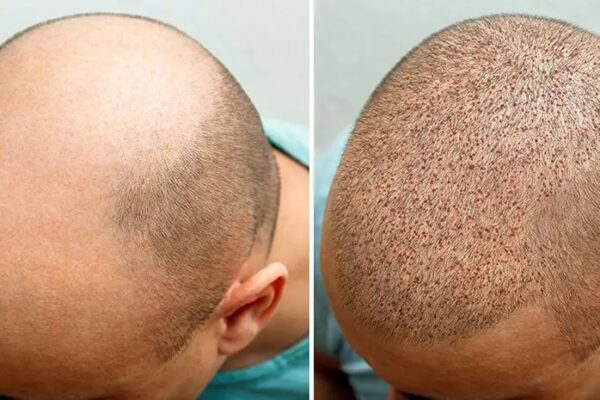


For those who are losing or thinning their hair, hair transplant surgery may be a significant choice. In order to achieve a realistic look, modern procedures concentrate on transferring existing hair to places where more coverage is sought. But the process itself is not the only factor that determines the experience’s success. Patients may make better selections and comprehend what the procedure can and cannot do if they have reasonable expectations prior to therapy.
Recognising The Potential Of A Hair Transplant
An endless supply of new hair cannot be produced via a hair transplant. Rather, regions afflicted by thinning or hair loss are usually carefully transplanted with appropriate hair follicles from a donor location. This implies that what can really be accomplished depends on the quantity and quality of donor hair that is available.
Instead of anticipating outcomes that are the same as those of others, those looking into hair transplants UK should concentrate on their own personal appropriateness. Treatment planning may be influenced by personal objectives, donor availability, hair qualities, and the degree of hair loss. Rather than guaranteeing a certain result, a responsible consultation should provide a customised evaluation.
Natural Outcomes Need Careful Preparation
Creating outcomes that enhance the patient’s natural characteristics is one of the primary objectives of contemporary hair restoration. Hairline form, follicle location, density, and the possible course of future hair loss must all be carefully considered.
It would not always be feasible to anticipate a very low or particularly dense hairline. A well-planned hairline should take into consideration a person’s present appearance as well as how it could seem as they age. In many cases, achieving a balanced outcome is more crucial than just transplanting as many follicles as feasible.
The Results Don’t Show Up Right Away
Patience is a key component of the hair transplant procedure. Surgery is only the start of the procedure. It takes time for the scalp to heal, and before noticeable changes appear, transplanted follicles go through normal growth cycles.
Before new growth starts, some transplanted hairs may initially shed. Someone who anticipates an instant metamorphosis may find this disturbing, although it could be a typical post-surgery procedure. Patients should be aware that the final look cannot be evaluated right away after surgery since hair growth occurs gradually.
Comprehending The Monetary Commitment
Another area where reasonable expectations are crucial is in terms of cost. The degree of therapy, the method used, the intricacy of the process, and the particular treatment plan may all affect how much a hair transplant costs.
Selecting a course of treatment based just on its advertised cost may lead one to ignore crucial factors including the surgeon’s experience, clinical standards, aftercare, and customised planning. Patients should be aware of what a specified charge includes and whether further sessions or treatments are advised.
Considering value instead of just pricing is also helpful. Since hair transplantation is a medical surgery, the choice should continue to be based primarily on safety, adequate evaluation, and practical treatment planning.
Current Hair Loss May Persist
It’s a prevalent misconception that getting a hair transplant would instantly prevent further hair loss. When properly chosen, transplanted follicles may provide long-lasting growth, although the surrounding natural hair may continue to decrease if left untreated.
Long-term planning is crucial because of this. Instead of concentrating just on the present areas of concern, a treatment plan should take future developments into account. Additional hair restoration techniques could be addressed as part of a continuing strategy in certain situations.
Consultation Lays The Groundwork
Patients get the chance to talk about their objectives, worries, medical history, hair loss pattern, and possible solutions during a thorough consultation. Anyone thinking about hair transplants London should utilise this opportunity to enquire about anticipated coverage, recuperation, potential restrictions, aftercare, and the likelihood of outcomes.
It is very crucial to communicate clearly. While being receptive to expert advice on what is technically feasible, patients should feel at ease describing the look they aspire to attain.
Conclusion
Making an educated choice about hair transplant surgery requires having reasonable expectations. Patients may approach therapy with more clarity if they are aware of donor restrictions, slow development, recuperation, expenses, potential hair loss, and the significance of customised planning.
You shouldn’t think of a hair transplant as a quick fix or a limitless option. Patients are better equipped to weigh their alternatives and accept gradual, natural-looking changes when expectations are grounded in expert assessment and a clear grasp of the process.