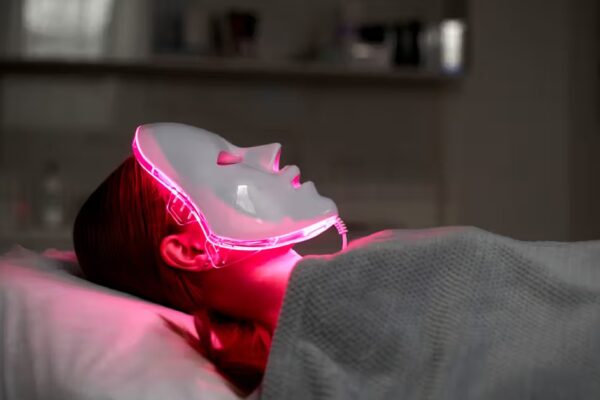

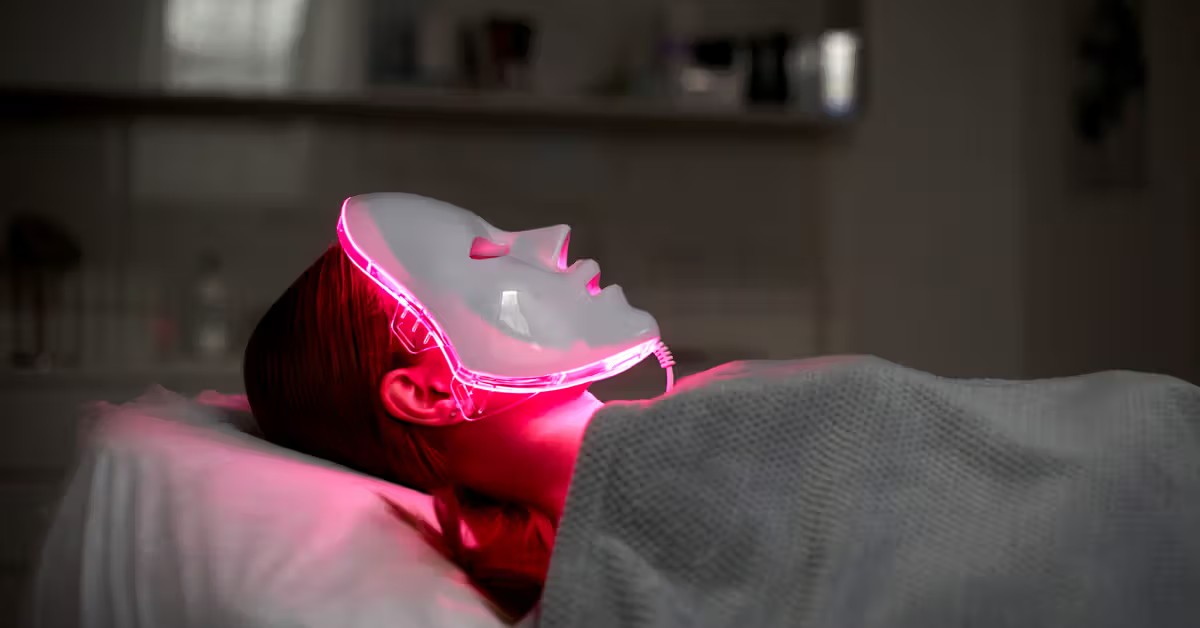
Red light therapy has attracted attention in the skincare and wellness industries because of its potential role in supporting skin health. Beauty clinics, wellness centers, and home users are exploring light-based devices as part of their skincare routines. As interest grows, red light therapy manufacturers are developing equipment designed to meet different needs while focusing on product quality, safety, and ease of use.
Understanding Red Light Therapy for Skin Health
Red light therapy uses specific wavelengths of visible red light. Some devices also include near-infrared light. Researchers have studied these wavelengths for their possible effects on cellular activity, inflammation, and skin appearance. However, results can vary depending on the device, treatment settings, and individual factors.
Some research suggests that certain red light treatments may help improve the appearance of fine lines and support skin health. However, more research is needed to establish the effectiveness of different devices and treatment protocols. Red light therapy should not be considered a replacement for professional medical care.
The Role of Manufacturers in Device Development
Manufacturers influence the design, performance, and usability of red light therapy equipment. They select LED components, develop panel layouts, and determine how devices deliver light to the intended treatment area.
Clear wavelength specifications are particularly important. Common red light wavelengths include approximately 630 and 660 nanometers, although individual products may use different configurations. Manufacturers should also provide reliable irradiance measurements and explain the distances at which these measurements were taken.
Safety and Skin Care Considerations
Safety is essential when using light-based skincare equipment. Responsible manufacturers provide operating instructions, exposure recommendations, and relevant warnings. Users should follow these instructions and avoid increasing exposure beyond recommended levels.
People with photosensitivity conditions or those taking medications that increase sensitivity to light should consult a qualified healthcare professional before using these devices. Eye protection should also be used when required by the product instructions.
Choosing Suitable Equipment for Professional Use
Beauty clinics and wellness businesses should compare product construction, controls, treatment coverage, warranty terms, and applicable safety certifications. Devices intended for professional environments may require different features from products designed for personal use.
Manufacturers that provide transparent documentation and dependable technical support can help businesses make more informed purchasing decisions.
Conclusion
Red light therapy continues to receive attention as an area of skincare and wellness research. By focusing on responsible design, verified performance, and clear safety instructions, red light therapy manufacturers can help customers understand their equipment and use it appropriately. Buyers should prioritize evidence-based product information rather than relying on exaggerated claims about skin improvement.