
Hair often reflects what is happening beneath the surface. While many people focus on shampoos, conditioners, and styling products, healthy hair starts at the scalp and depends on a combination of nutrition, lifestyle habits, and proper care. Long-term hair vitality is not about quick fixes. It is about creating the right conditions for hair follicles to function at their best over time.
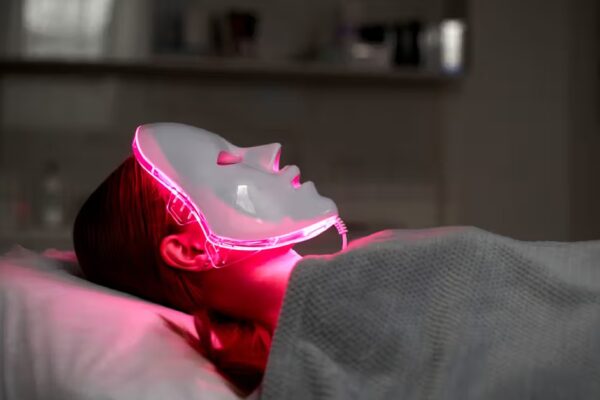
Modern conversations around hair wellness have expanded beyond traditional products. In addition to improving diet and scalp care routines, some consumers are incorporating a red light therapy mask into their broader self-care practices as interest grows in non-invasive approaches to supporting skin and scalp wellness.
Understanding the factors that influence hair and scalp health can help individuals make informed decisions that support stronger, healthier-looking hair for years to come.
Key Takeaways
. Healthy hair begins with a healthy scalp.
. Nutrition plays a critical role in supporting hair growth cycles.
. Stress, sleep quality, and lifestyle habits can affect hair vitality.
. Consistent scalp care helps create an environment that supports healthy hair.
. Long-term results often come from daily habits rather than short-term solutions.
Why Scalp Health Matters More Than Many People Realize
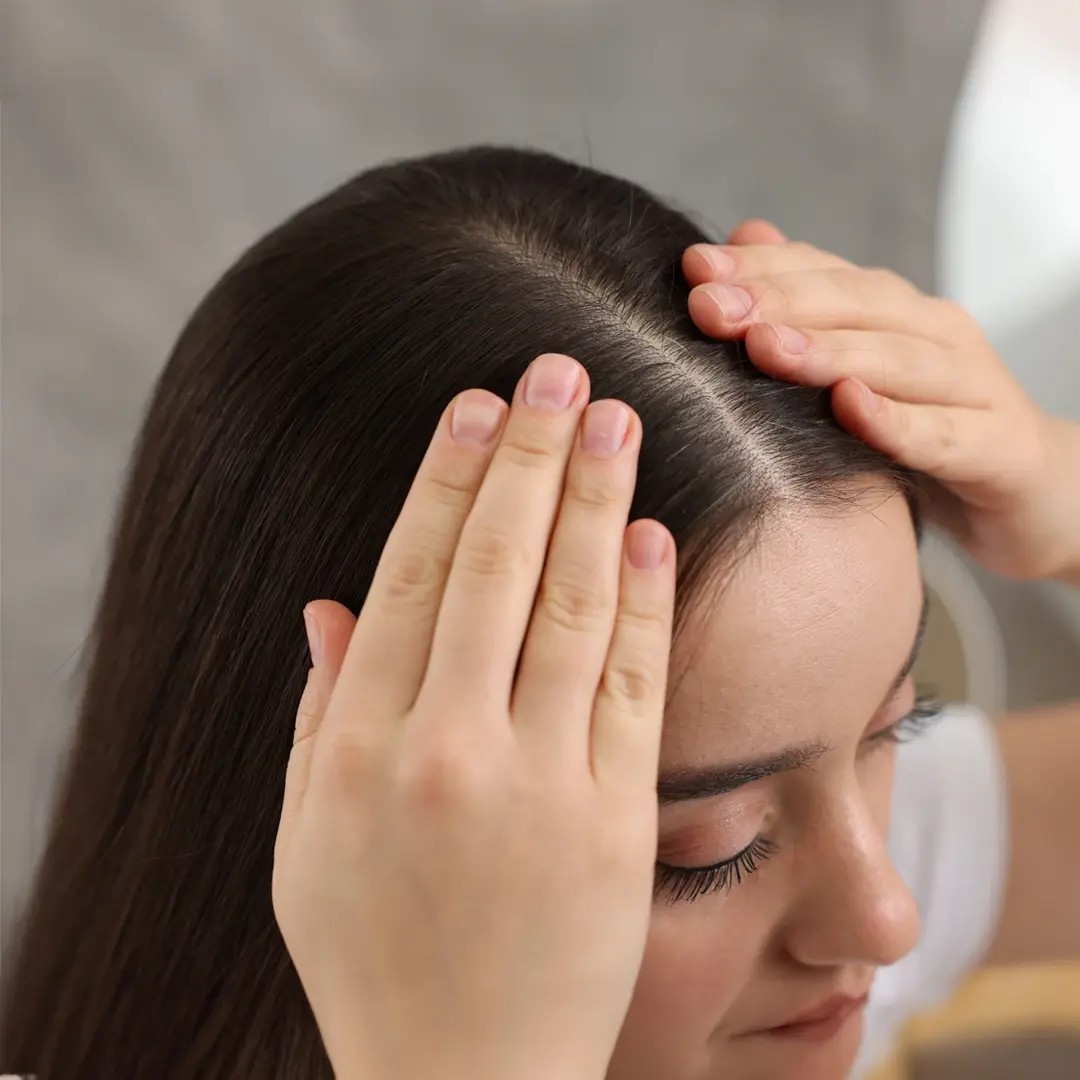
People often treat hair and scalp health as separate concerns, but they are closely connected. Hair follicles live within the scalp, which means the condition of the scalp can influence the environment where hair grows.
A healthy scalp supports proper circulation, maintains balanced moisture levels, and helps protect follicles from unnecessary irritation. On the other hand, excessive dryness, product buildup, or inflammation may interfere with normal scalp function. This is why scalp care deserves the same attention people give to skincare. A strong foundation often supports healthier outcomes over time.
Nutrition Provides the Building Blocks for Hair Growth
Hair growth requires energy and nutrients. Without adequate nutritional support, the body may prioritize other essential functions before directing resources toward hair production.
Protein remains particularly important because hair consists largely of a protein called keratin. Foods such as fish, eggs, poultry, beans, and dairy products can help support healthy hair growth.
Several vitamins and minerals also contribute to normal hair health, including:
- Iron
- Zinc
- Vitamin D
- Biotin
- Vitamin C
A balanced diet that includes fruits, vegetables, lean proteins, and healthy fats helps provide the nutrients needed to support healthy hair growth cycles.
The Impact of Stress and Sleep on Hair Vitality
Many people overlook the relationship between overall wellness and hair health. Periods of significant stress may affect normal hair growth patterns. While occasional stress is part of life, chronic stress can place additional demands on the body. Sleep also plays an important role. During sleep, the body performs essential repair and recovery functions that support overall health. Consistently poor sleep may influence processes that contribute to healthy hair and scalp maintenance.
Creating a routine that supports both physical and mental well-being can benefit more than just hair. It contributes to overall health and resilience.
Everyday Habits That Support a Healthy Scalp
Small daily habits often make a bigger difference than expensive treatments.
Simple strategies include:
- Washing hair based on scalp needs rather than a fixed schedule
- Avoiding excessive heat styling
- Protecting hair from prolonged sun exposure
- Choosing gentle hair care products
- Staying hydrated throughout the day
These habits help maintain scalp balance while reducing unnecessary stress on the hair shaft. Consistency matters. Healthy hair develops over time, and supportive habits often deliver the best long-term results.
Understanding Interest in Red Light Therapy Masks
A red light therapy mask is commonly associated with skincare, but researchers continue to explore how specific wavelengths of light interact with biological tissues. Interest in light-based technologies has expanded as scientists study their potential effects on cellular activity and tissue health.
Although much of the public discussion focuses on skin appearance, some researchers have investigated whether light-based therapies may influence processes related to scalp and hair health. Research in this area continues to evolve, and experts generally recommend viewing these technologies as one part of a comprehensive wellness approach rather than a standalone answer to hair concerns.
Healthy lifestyle habits, proper nutrition, and consistent scalp care remain the foundation of long-term hair vitality.
Looking at Hair Health through a Long-Term Lens
Hair vitality rarely depends on a single product, treatment, or trend. Instead, it reflects a combination of factors that work together over time. A well-nourished body, a healthy scalp, quality sleep, effective stress management, and consistent hair care practices all contribute to stronger, healthier-looking hair. Focusing on these fundamentals helps create an environment where hair can thrive naturally.
Rather than chasing quick results, individuals who prioritize long-term scalp and hair health often build habits that support lasting wellness. In many cases, the most effective strategy is also the simplest: take care of the body, and the hair often benefits along the way.