
Bed sores remain one of the most preventable health concerns in long-term care settings. Although they may begin as minor areas of redness or skin irritation, they can quickly progress into painful wounds if they are not identified and treated early. For elderly residents with limited mobility, routine skin assessments are an essential part of quality care because they allow caregivers to recognize problems before they become severe.
Daily observation is not simply a routine task. It is an opportunity to protect residents from unnecessary pain, reduce medical complications, and improve overall quality of life through timely intervention.
Small Changes Often Appear Before Serious Injuries
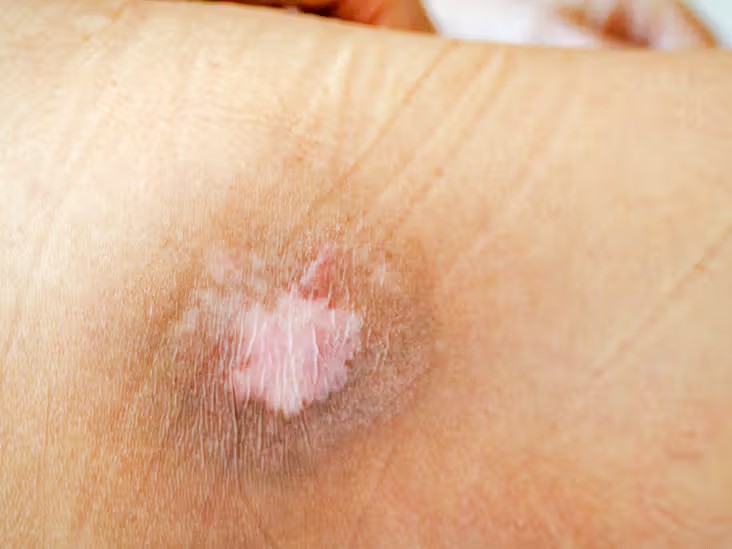
Pressure injuries rarely develop without warning. The body usually provides early signs that blood flow to certain areas has been reduced for an extended period. These warning signs may include redness that does not fade after pressure is relieved, slight swelling, unusual warmth, tenderness, or changes in skin texture.
When caregivers perform thorough skin assessments every day, these subtle changes are much more likely to be noticed. Early identification allows treatment to begin immediately, preventing minor irritation from developing into an open wound.
High Risk Areas Require Extra Attention
Not every part of the body experiences the same amount of pressure. Residents who spend long periods in bed or seated in wheelchairs often develop pressure injuries over bony areas where skin has less natural cushioning.
Daily assessments should carefully examine the heels, ankles, hips, tailbone, shoulders, elbows, and the back of the head. Paying close attention to these areas helps caregivers recognize developing pressure injuries before they become difficult to manage.
Monitoring Changes Over Time
A single skin assessment provides useful information, but consistent daily monitoring creates a much clearer picture of a resident’s condition. By comparing observations from one day to the next, caregivers can identify patterns that might otherwise go unnoticed.
If redness continues despite repositioning or if an area becomes increasingly tender, the care plan can be adjusted immediately. Tracking gradual changes helps healthcare teams respond based on evidence rather than waiting until visible wounds appear.
Supporting Faster Medical Intervention
Once early signs of skin damage are discovered, medical professionals can introduce targeted preventive measures. These may include increasing repositioning frequency, using specialized support mattresses, improving hydration, adjusting nutrition, or applying protective dressings.
Because treatment begins before tissue damage becomes extensive, residents often experience faster recovery and avoid complications that require more aggressive medical care.
Communication Strengthens Prevention
Daily skin assessments become even more valuable when observations are shared among the entire care team. Nurses, nursing assistants, physicians, therapists, and wound care specialists all benefit from accurate documentation.
Effective communication ensures that every caregiver understands the resident’s current condition and follows the same prevention strategies. Shift changes should include updates on any areas of concern so monitoring continues without interruption.
Technology Can Improve Assessment Accuracy
Many modern care facilities are incorporating digital documentation systems to strengthen wound prevention efforts. Electronic records allow caregivers to record skin changes immediately, photograph areas of concern when appropriate, and monitor healing progress over time.
This organized approach reduces the likelihood of important observations being overlooked while providing valuable information for physicians making treatment decisions.
Families Benefit From Staying Informed
Relatives should never hesitate to ask questions about how skin health is being monitored. Understanding the facility’s assessment schedule, repositioning practices, and prevention protocols allows families to become active participants in a loved one’s care.
When concerns arise regarding unexplained skin injuries or worsening pressure ulcers, resources such as https://nursinghomelitigator.com/las-vegas-practice-areas/bed-sores/ may provide helpful information about bed sores and the responsibilities nursing homes have in protecting residents.
Daily Assessments Reflect Quality Care
Routine skin evaluations demonstrate a facility’s commitment to proactive healthcare rather than reactive treatment. They show that caregivers are focused on preventing harm instead of simply managing complications after they occur.
In addition to maintaining healthier skin and avoiding the psychological and physical strain of advanced pressure injuries, residents who undergo regular evaluations are more likely to stay comfortable.
Conclusion
Daily skin assessments play a vital role in preventing bed sores from progressing into serious medical conditions. Through careful observation, early detection, accurate documentation, and timely intervention, caregivers can identify problems before significant tissue damage occurs. Combined with proper repositioning, nutrition, hydration, and coordinated teamwork, regular skin assessments create a safer care environment where residents receive the attention they deserve. Consistent prevention efforts not only improve health outcomes but also reinforce the dignity, comfort, and well-being of every individual living in long-term care.