

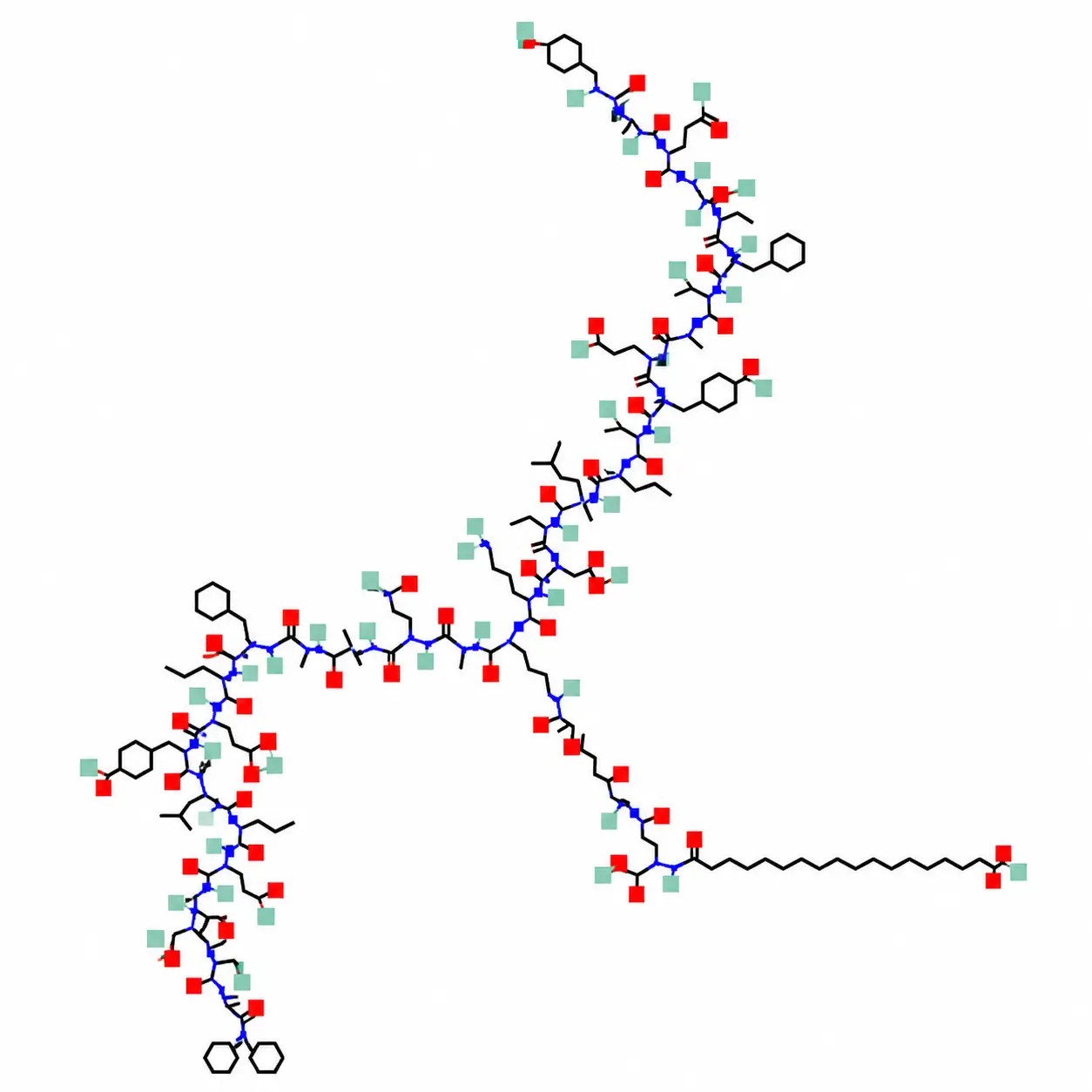
Recently, there has been quite an extensive discussion concerning the impact of retatrutide because of its particular way of action in relation to three metabolic receptors – GLP-1, GIP, and glucagon. Herein, scientists are studying possible impacts of this substance on certain physiologic processes that are related to one another. Thus, they study how this compound affects people’s appetite, their metabolism of energy and glucose and body composition in general. It is extremely important to separate scientific facts from those used for promotion of products and advertisement of the company.
Why Researchers Are Watching This Peptide
The interest in this retatrutide for weight loss can be explained by the particular nature of its multi-target mechanism of action. Instead of focusing on one receptor, scientists are exploring how three hormones work together. Thus, this is an opportunity to learn if the combination of such activity will bring another metabolic response compared to a method aimed at stimulating only two pathways.
Clinical trials have brought interesting results in terms of body weight changes. Nevertheless, such data need to be interpreted considering the nature of particular clinical research. Retatrutide is still just an investigational compound and not a general drug for weight management.
Inside the Research Questions
Currently, modern peptide studies pay more attention to observable biological results rather than to generalized statements. As for retatrutide, scientists will be able to analyze such aspects as body weight changes, metabolic factors, appetite hormones, and different physiological factors. These studies can reveal reasons why people react differently to this treatment.
For those who seek information on the use of this retatrutide for weight loss, this distinction is especially relevant. Even if the drug under investigation is not licensed for personal use, the results of research can bring some good news to the researcher.
Evidence, Testing, and Interpretation
Evaluation in science goes further than clinical data. Scientists might consider the molecular identity of a compound, its characterization, sample consistency, research methodology, and reproducibility of results in order to decide if reported data can be considered reliable.
The growing interest in the use of this retatrutide for weight loss has resulted in the generation of a considerable number of articles online. Taking into consideration all these factors, the information needs to be analyzed carefully. Individuals need to rely on scientific literature, clinical trials and regulatory and scientific authorities’ information.
The Questions Still on the Table
There are several issues that require further clarification in relation to long-term results, safety, variations between individuals, and possible implications of the activation of several metabolic pathways at once. Further investigations are needed in order to answer those open questions and to reveal how the biological profile of the compound could be applied in practice in the future.
For those who are following retatrutide for weight loss, the information available now should be considered as one of the stages of the ongoing scientific investigation, not the final point. The fact that retatrutide is still investigational should be reflected in responsible educational materials.
Making Sense of the Research Landscape
There are several aspects that make the studies of retatrutide an interesting field for peptide research. This compound offers researchers an unusual opportunity to investigate interactions in metabolic pathways via just one multi-targeted substance. Its growing body of research makes retatrutide an interesting subject in the field of peptide science, and the open questions give an additional reason for this research to continue.